Welcome: Hubei Kaili Special Automobile Co., Ltd.
Language:
∷


Micro Sanitation: Are Policies Driving Industry Upgrades? Micro EVs Emerge as the Sole Solution for Narrow-Lane Waste Collection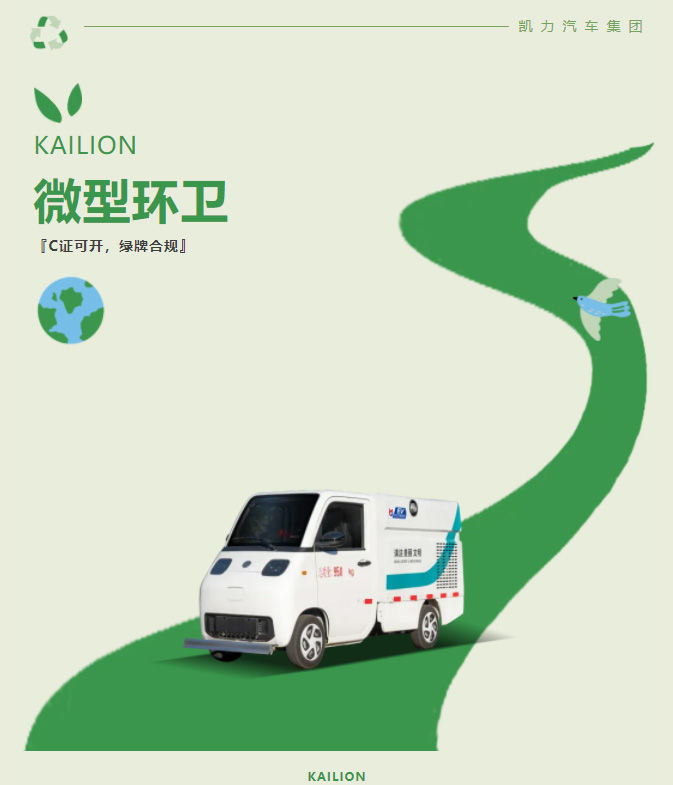
Since the beginning of 2025, various provinces and cities across China have launched campaigns to phase out unlicensed sanitation tricycles. This top-down regulatory push not only upgrades urban public safety and environmental management but also highlights an inevitable shift in China's sanitation system—from extensive sweeping to refined, precision operations.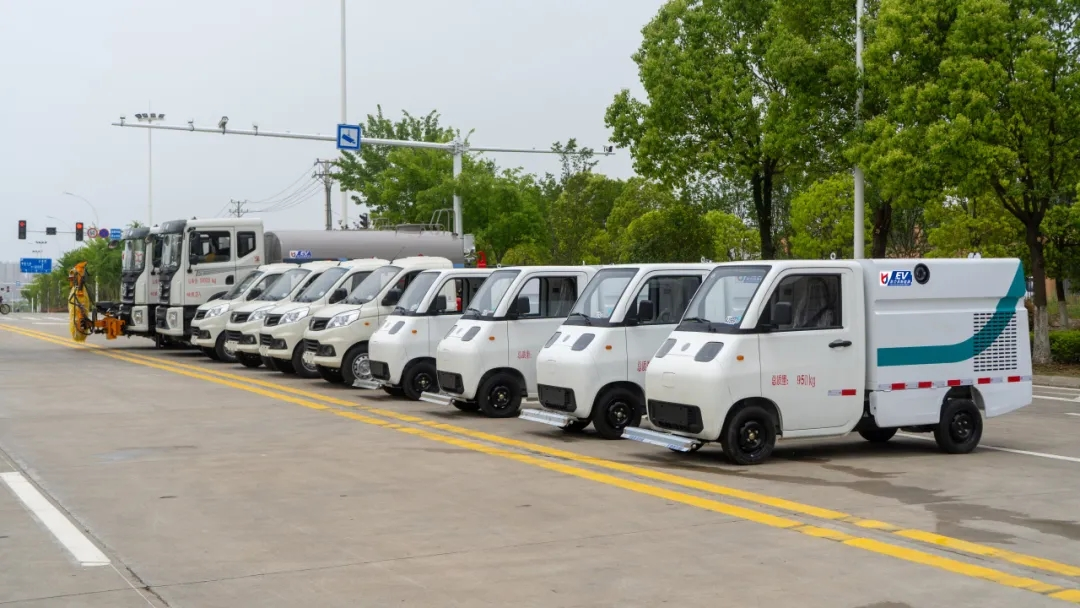
Meanwhile, on April 28, the Ministry of Housing and Urban-Rural Development released a draft of new national standards, which for the first time systematically regulates the dimensions, range, and smart features of small sanitation equipment. Against this backdrop, the Huoyue Shentong series of micro new-energy sanitation vehicles, developed and manufactured by Kaili Auto Group, has gradually become a core force in solving narrow-lane sanitation challenges and leading industry upgrades, thanks to its precise scenario adaptability and technological advantages.
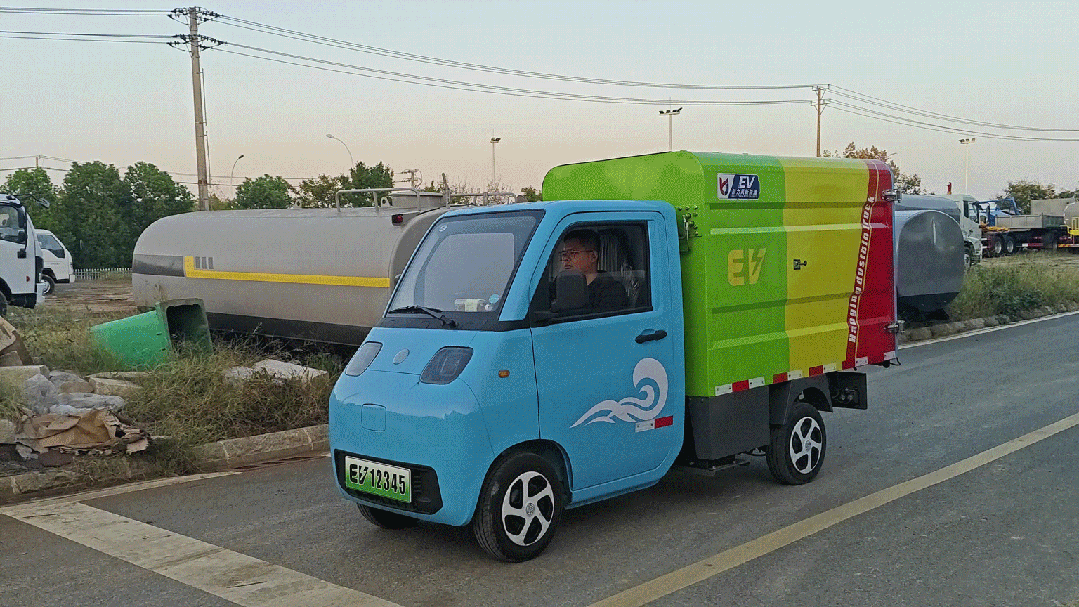
The phase-out of unlicensed tricycles is no coincidence. For a long time, these vehicles have suffered from poor safety performance and low operational efficiency due to a lack of standardized management.
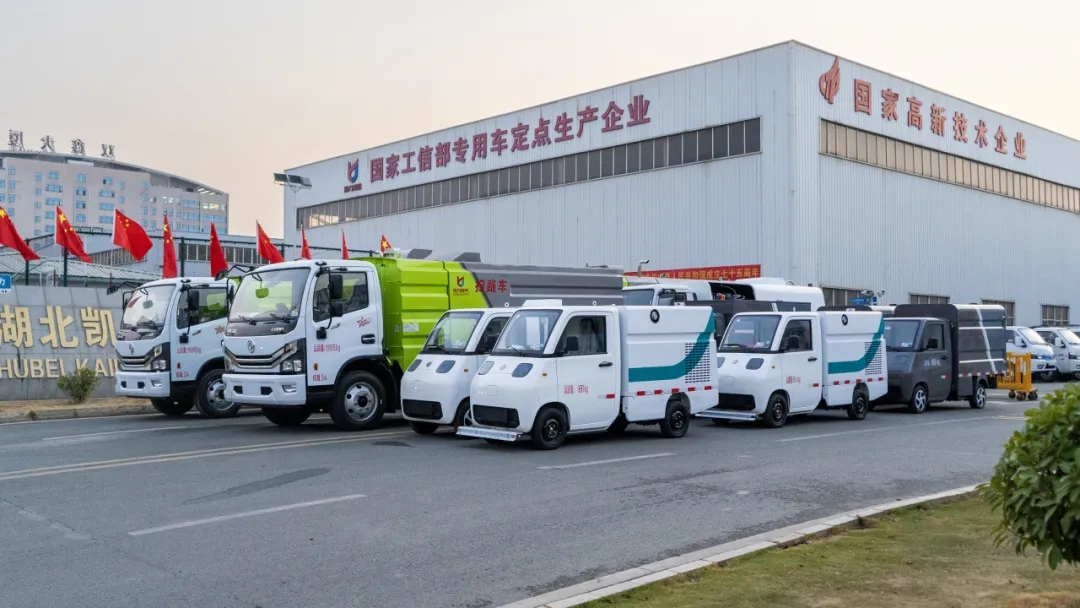
With rapid urbanization, cleaning demands in narrow areas such as old residential communities, back alleys, and commercial pedestrian streets have become increasingly prominent. Traditional large sanitation vehicles simply cannot enter or maneuver in these spaces, while manual cleaning faces challenges like rising labor costs, high physical demands, and inconsistent results. Although unlicensed tricycles once filled this gap, they were always stuck as a "temporary substitute." Their safety hazards and environmental shortcomings have become a pain point in urban governance.
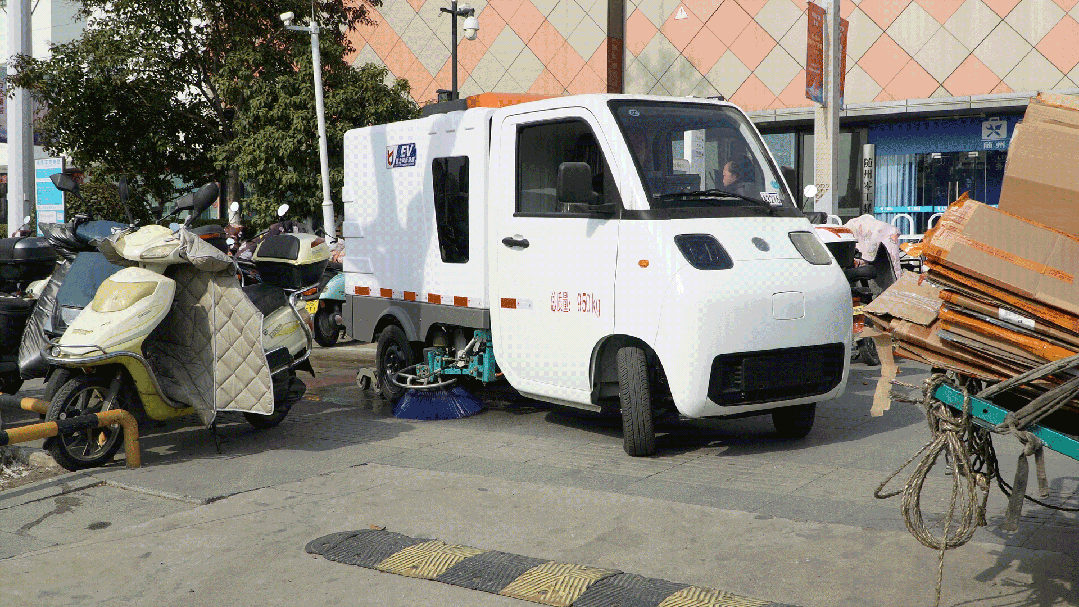
Upgrading urban sanitation urgently requires tailored solutions. The introduction of the Huoyue Shentong and Dashentong series perfectly meets this demand. Designed specifically by Kaili Group for narrow urban and rural environments, these new-energy models embrace a "small but exquisite" philosophy, completely breaking the scenario limitations of traditional equipment. All models can obtain green license plates, with a width of around 1.2 meters and a length of under 4 meters. They can flexibly navigate streets narrower than 3 meters, gaps between residential buildings, and commercial pedestrian zones, perfectly solving the "last-mile" operational challenges faced by medium and large vehicles.
In terms of operational efficiency, the series achieves cost reduction and increased output through technological innovation. The street sweepers are equipped with patented centrifugal fans and floating suction nozzles, significantly improving the pickup efficiency of lightweight and granular waste. The road maintenance vehicles feature 150-bar high-pressure cleaning units for precise washing of small ads and curb facilities, with a cleaning width of 1.3 meters. The self-loading garbage trucks use hydraulic push plates to compress waste, greatly increasing capacity compared to traditional models of the same volume, with a single loading/unloading cycle taking only 18 to 22 seconds. These upgrades allow a single vehicle to match the efficiency of 3 to 5 manual workers, significantly reducing reliance on human labor.
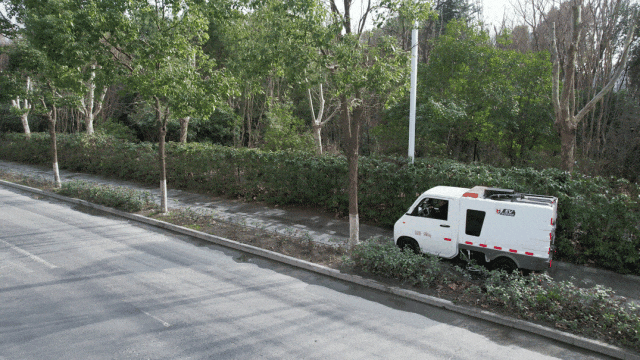
For clients who feel the Huoyue Shentong series is insufficient for daily operations, the Dashentongseries is also a top choice, offering longer range, faster charging, and more comprehensive features.
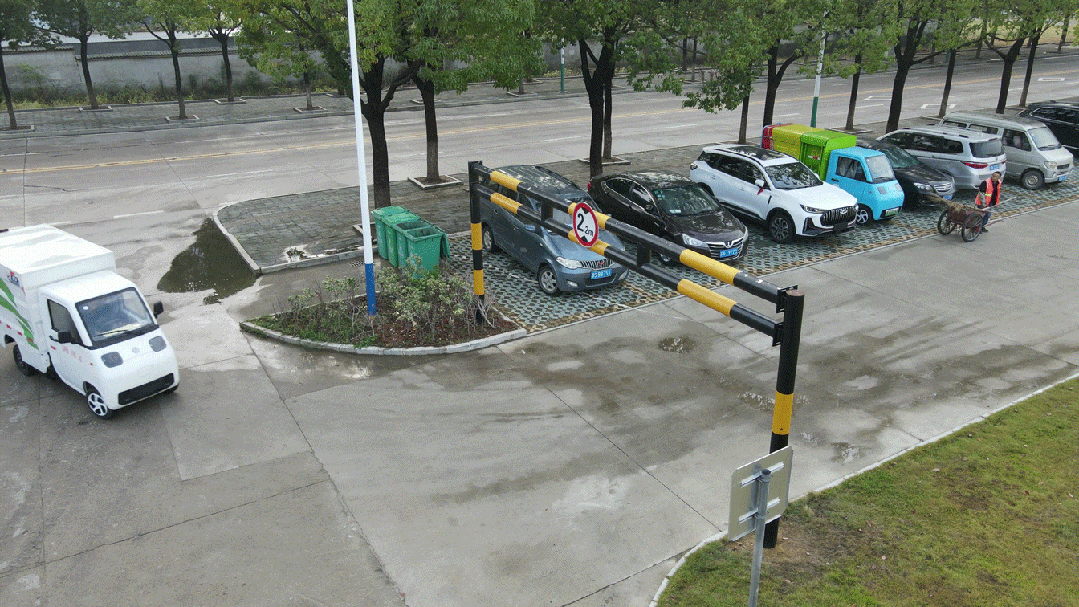
A product matrix with full scenario coverage further highlights the mainstream adaptability of the Huoyue Shentong series. To meet diverse sanitation needs in urban and rural areas, Kaili Group has built a complete product line, including street sweepers, road maintenance vehicles, self-loading garbage trucks, and enclosed barrel garbage trucks. This "one vehicle for one scenario, full series for all areas" layout perfectly fills the market gap left by the phase-out of unlicensed tricycles.
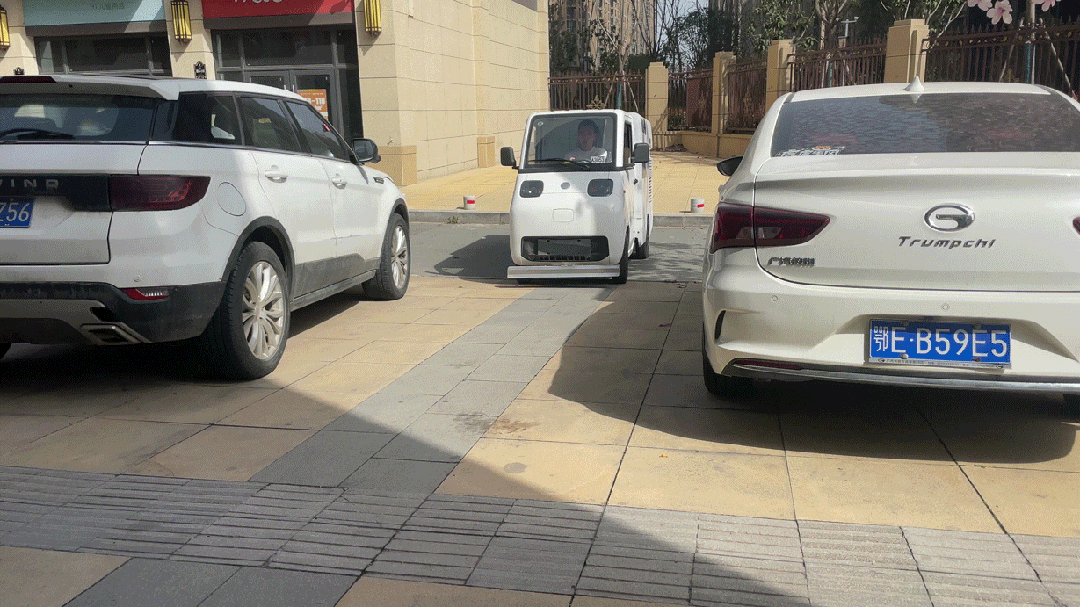
Driven by both policy dividends and technological upgrades, the mainstream status of micro new-energy sanitation vehicles is becoming increasingly clear. As the "dual carbon" goals advance and new-energy vehicle policies continue, the procurement and operational costs of green-plate sanitation equipment keep dropping. Meanwhile, under the demand for refined urban governance, standards for cleaning efficiency and environmental friendliness are constantly rising. Kaili's micro sanitation series, with its standardized production, intelligent control, and automated operations, aligns with policy directions and meets practical needs, gradually becoming the standard equipment for narrow-lane cleaning in major cities.
From Beijing's hutongs to Wuhan's lifens, from Guangzhou's qilou to Shanghai's longtangs, Kaili's micro sanitation series is reshaping the fundamental logic of narrow-lane cleaning with standardized, intelligent, and green solutions. The phase-out wave that began in late 2024 will ultimately give birth to a safer and more efficient sanitation ecosystem. As the roar of unlicensed tricycles gradually fades, the hum of micro new-energy sanitation vehicle engines is becoming the strongest voice of refined urban governance in the new era.
Contact: Meredith Luo
Phone: 8615792041643
Tel: 8615792041643
Email: kailiongroup@gmail.com
Add: 11 Jiliang Avenue, High-tech Zone, Suizhou City, Hubei Province ,China